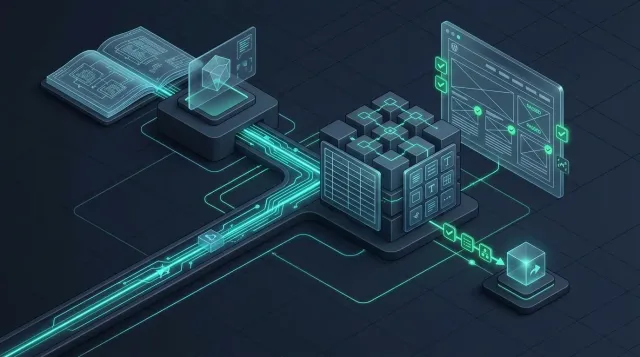
Document-Driven WordPress: Beyond Vibe Coding with Novamira
How a strict Document-Driven Development workflow, Novamira runtime MCP on dev, in-browser visual feedback, and WP Studio replace AI hallucination in WordPress.
Posts filed under this tag. Browse the archive or pick another topic from the homepage.
How a strict Document-Driven Development workflow, Novamira runtime MCP on dev, in-browser visual feedback, and WP Studio replace AI hallucination in WordPress.
I don't sell monthly update retainers for brochure websites. I charge for maintenance where downtime costs money: stores, integrations, custom logic.
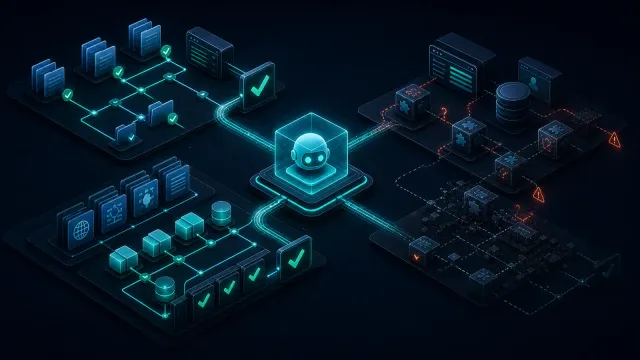
Same AI agents, three stacks, different results. What matters is how much of the system is visible from the repo and how cheap verification is - not training data.
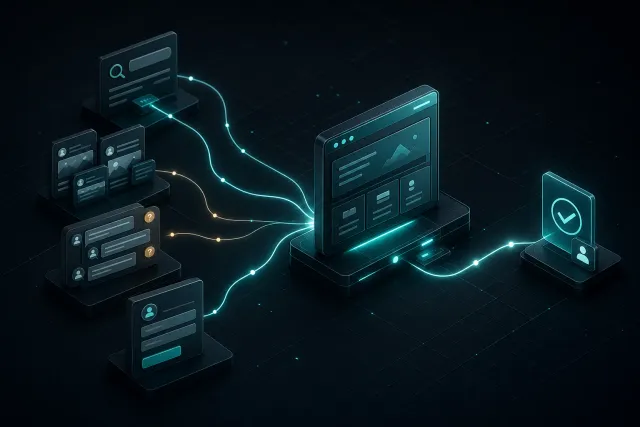
A business website is worth building when it reduces repeated sales friction, owns discovery, and gives clients a reliable next step before they call.
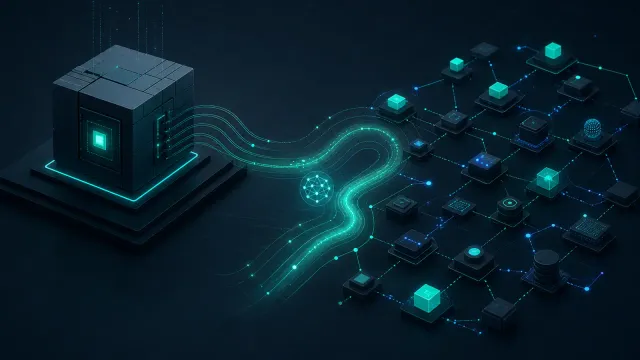
Stack-switching is cheaper than ever, yet WordPress is still set against the rest of the CMS world. This isn't really about code - it's about who owns the publishing workflow.
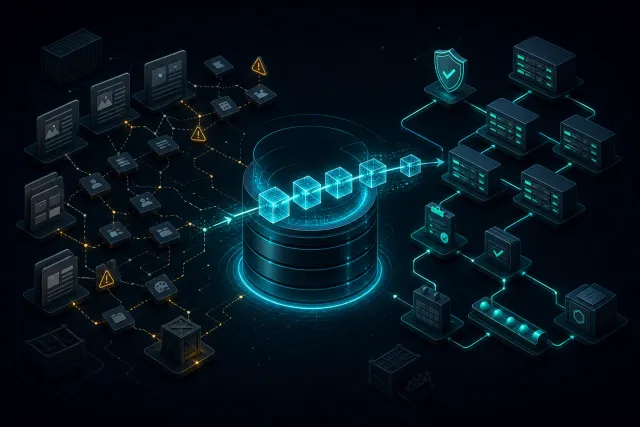
Why I chose Laravel over WordPress for a small internal tracker: the shape of the data, integrity requirements, and operational workflows mattered more than framework preference.
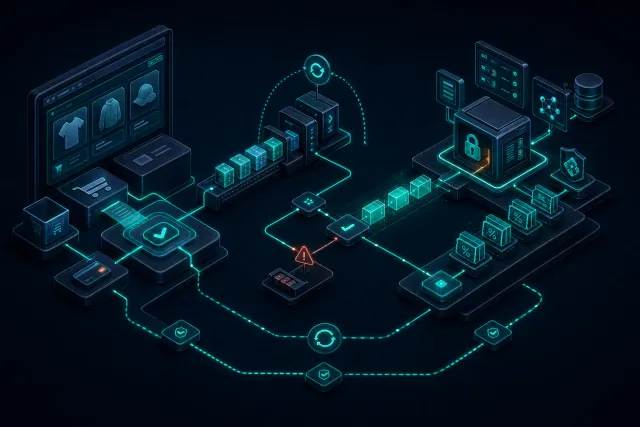
A headless WooCommerce coupon sale spans two stores and an unreliable network. The design choices that make fulfilment recoverable after payment.
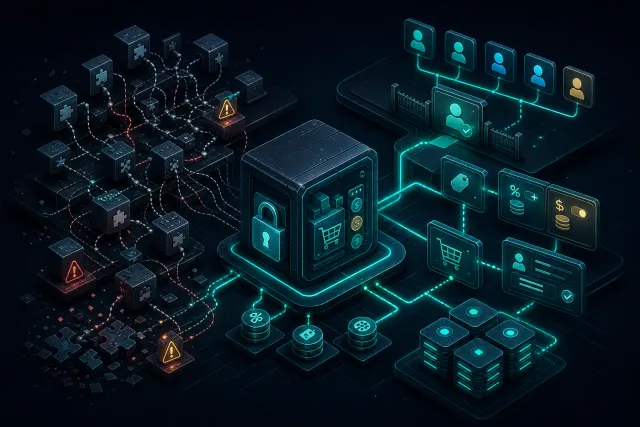
WooCommerce B2B starts with plugins, but role pricing, VAT display, account approval, and caching still demand an integration layer you own.
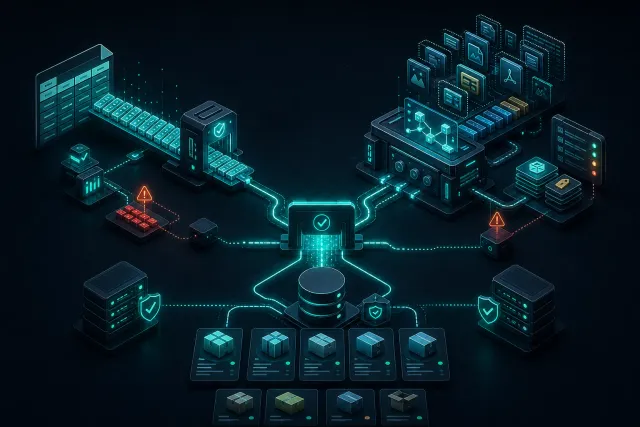
WooCommerce product import succeeds when the tool matches the data shape. Choose native CSV, WP All Import, or manual entry without corrupting custom meta.
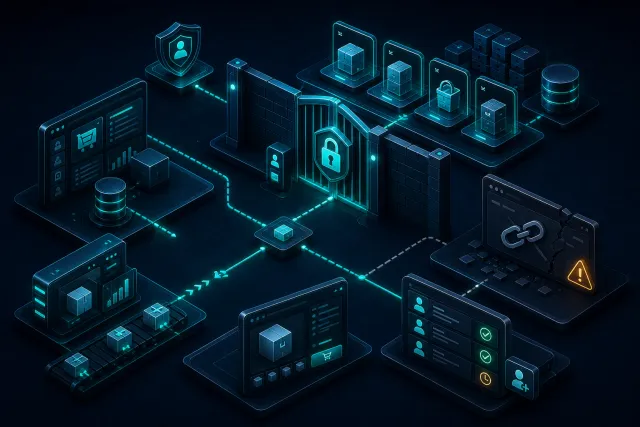
A closed B2B WooCommerce store needs explicit decisions about access, product pages, ERP availability, and account approval. Plugins cannot make them for you.
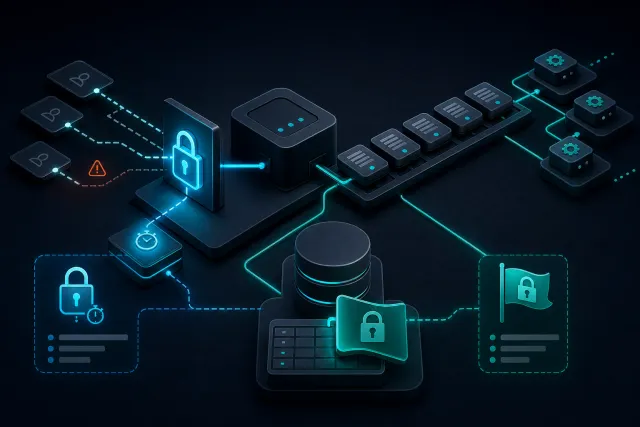
Why long-running WordPress jobs need an atomic start lock, durable run state with a run ID, and recovery that survives worker crashes without duplicate imports.
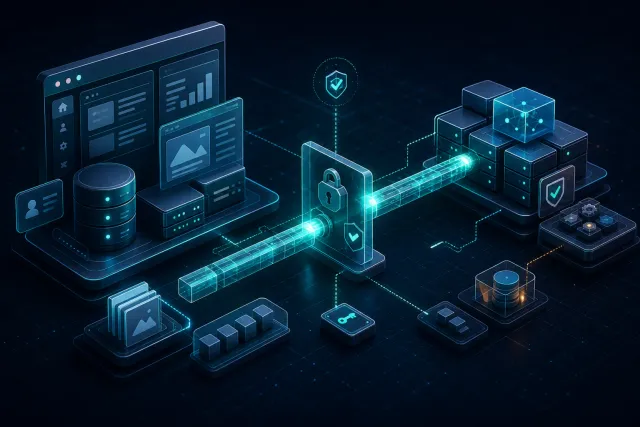
When a Python sidecar improves a WordPress workflow, what it adds to operations and security, and how to keep the integration recoverable in production.
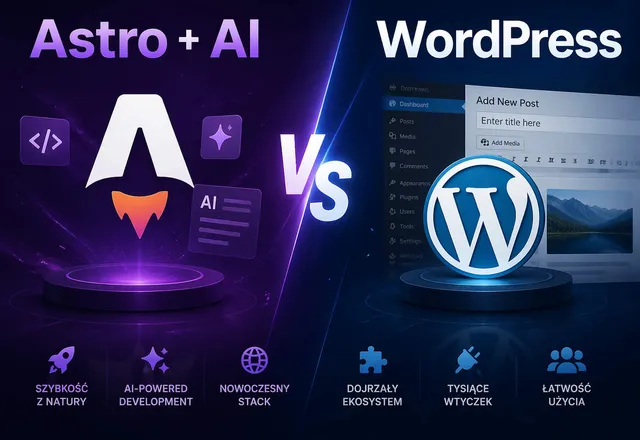
AI does not replace WordPress, but it changes the threshold at which a simple expert blog may no longer need a traditional CMS - and that shifts the decision.